A buyer asks when the generator was last serviced. You remember having it done before last season, but the invoice is somewhere in your email and the hour reading is missing. A routine question about care has become an unresolved point in the sale.
Maintenance records help protect yacht resale value by making past care easier to verify. They give buyers evidence to work with and reduce the uncertainty that can lead to further checks or a lower offer.
Two similar yachts, different levels of confidence
Imagine two yachts of the same model and year, with similar hours and asking prices. Both present well.
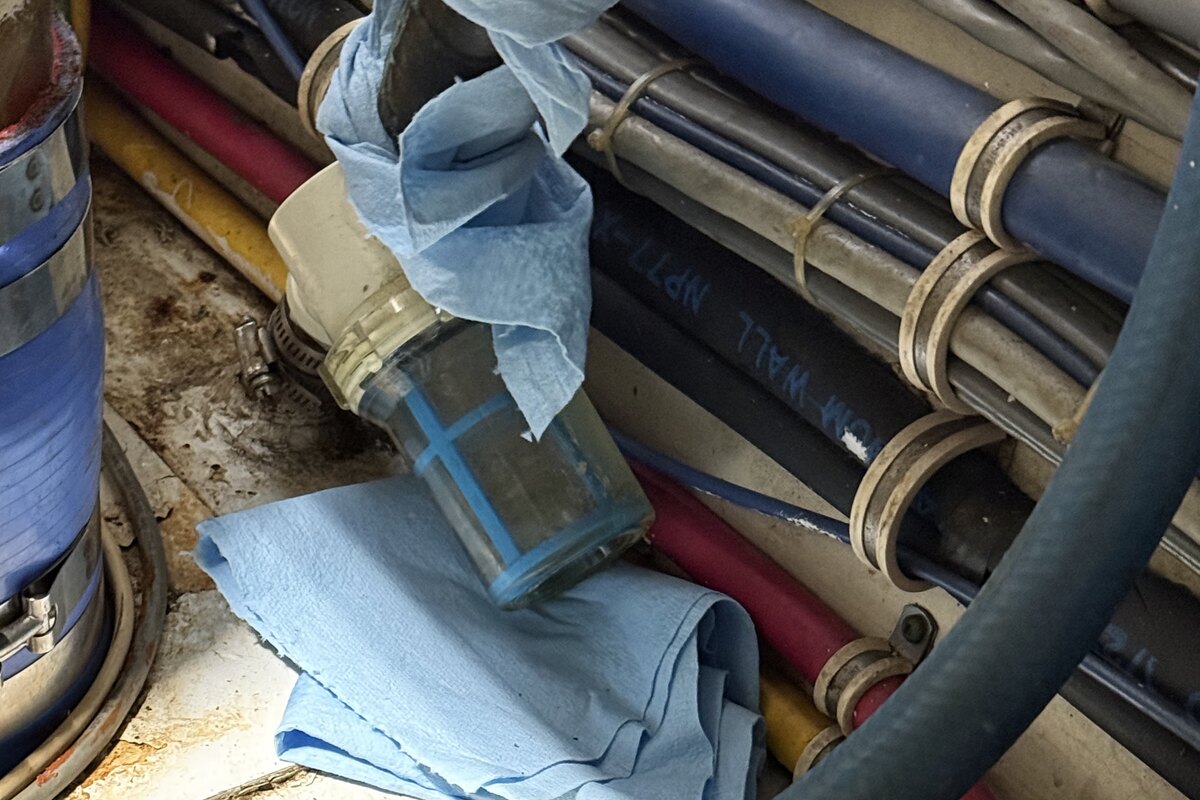
The first owner says the engines and generator have always been serviced. Some invoices are available, but the latest cooling-system work is hard to trace. A stain beneath a raw water strainer is described as an old problem that was fixed.
The second owner has dated service entries with hour readings and supporting invoices. The strainer leak has a record too, including the original photo, repair details and a follow-up check confirming the result.
The second yacht is easier to trust because the buyer can follow how problems were handled. That confidence can shorten negotiations over whether major service is due or an old leak remains unresolved. Present condition and market demand still influence the price, but documented care removes avoidable guesswork.
What buyers, brokers and surveyors look for
Useful history connects each piece of paperwork to the equipment and work it describes. Keep these records together:
- Service dates and hour readings alongside the provider’s details and the scope of work. “Generator serviced” leaves more questions than an entry identifying the oil change and filters replaced, with the technician’s report attached.
- Invoices and service reports that identify completed work. Keep estimates clearly distinguishable from the final job record so proposed repairs cannot be mistaken for finished ones.
- Repair records showing the original problem and how it was addressed. Include the diagnosis where available and evidence of a follow-up check, particularly for recurring leaks or electrical faults.
- Equipment details and manuals. Make, model and serial numbers help establish which component was serviced and which manufacturer’s maintenance schedule applies.
Buyers use this history to judge the care behind the boat’s appearance. A broker can answer maintenance questions with specifics. A surveyor can use it as context when assessing current condition and deciding where closer attention is warranted.
Dated inspection photos add a timeline of visible condition. Earlier pictures can help show whether corrosion is spreading or staining has returned after a repair. Their value increases when the location and component are clear.
Connect the finding to the verified repair
With Harbor Guardian, we keep inspections and maintenance connected in one dated vessel history. Each inspection adds photos, and confirmed findings stay linked to the work they cause.
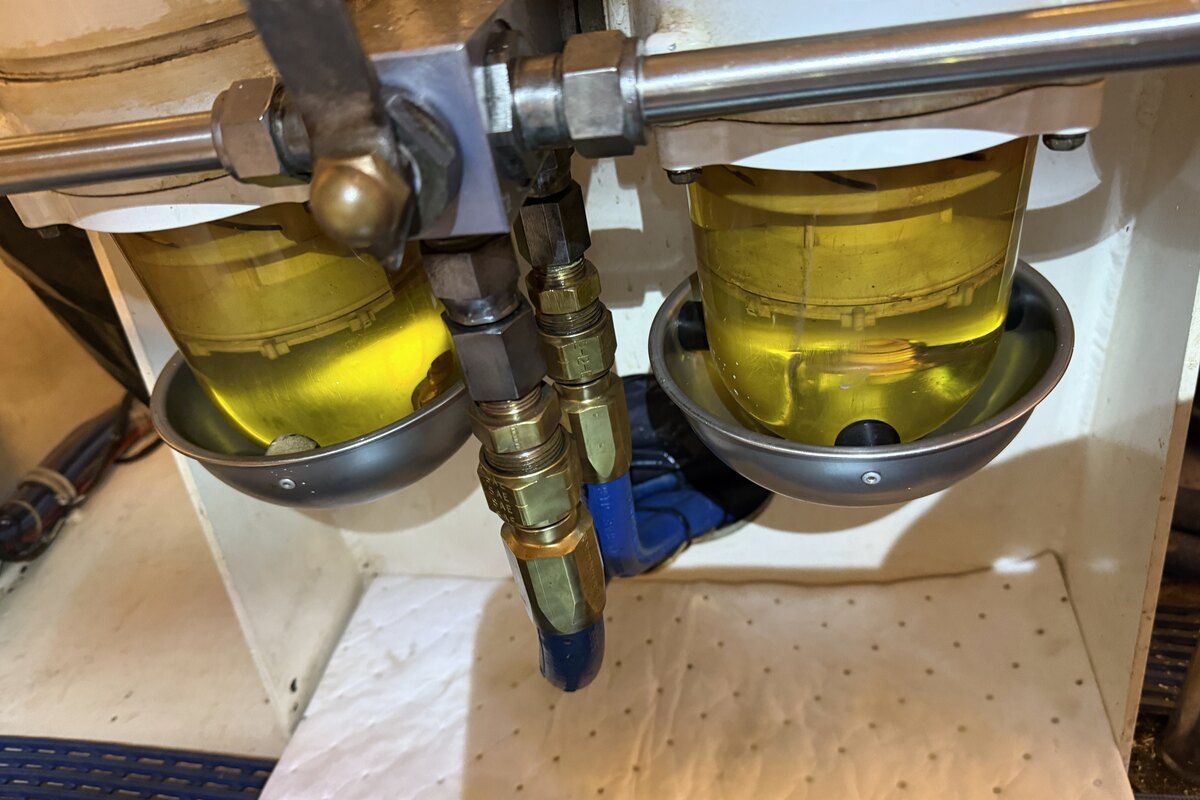
Consider a weeping raw water strainer found during a dock walk. You photograph it and confirm the finding, then create a linked work order. After the technician diagnoses and repairs the leak, the repair details and invoice stay with that job. A recorded verification check closes the loop.
When a buyer later asks about the staining, the history is on hand. You can trace the observation through to the repair and its verification, without hunting through group texts or asking a vendor to resend paperwork.
We keep service log entries tied to the relevant component, with the service date and hours alongside who performed the work, its cost and supporting proof. Maintenance schedules follow the manufacturer’s intervals, whether based on calendar time, hours or whichever comes first. The last service and hour-meter history determine what’s coming due, with a schedule view for creating the next task or work order.
That helps keep maintenance on schedule while building the history a future buyer will want to see.
Start while the work is still easy to trace
Begin with the latest major services. Match their invoices to the correct equipment and check for dates and hour readings. Request missing service reports from vendors while the jobs are still easy to identify.
Keep uncertain history clearly marked. When a service date cannot be verified, record what is known and discuss the next maintenance step with the relevant technician. A clear gap is more useful than an unsupported entry that looks definitive.
For new work, make the supporting paperwork and verification part of closing the job. This keeps the history organized as you use the boat, instead of leaving a reconstruction project for listing day.
Build the history now, not on listing day
Every service, repair and inspection you record today is one less question a buyer has to ask later. Harbor Guardian keeps your yacht’s history dated, connected and on hand from the first entry.
Contact us and we’ll show you how Harbor Guardian would keep your yacht’s maintenance history organized and ready for a future buyer’s questions.