
You’ll often hear that a yacht costs roughly 10% of its value a year to maintain. As a rule of thumb, it gives a prospective owner a first-pass allowance. A budget you can actually rely on comes from the boat’s service requirements and condition, and two yachts with similar asking prices can carry very different maintenance bills.
Use the 10% rule as a starting point
First, check what the estimate covers. Maintenance means scheduled servicing and repairs, including bottom work. Fuel, dockage, insurance and crew belong in the wider ownership budget. Keep upgrades separate too, so a new electronics package doesn’t hide the cost of keeping existing equipment working.
The rule gets less useful as a yacht ages. A lower purchase price still leaves you with the same engines and systems to maintain, plus years of wear. Parts and yard labor don’t get cheaper because the boat has depreciated.
If you’re buying, build the first-year plan from the marine surveyor’s findings, the service records and yard estimates. Give catch-up work its own allowance.
What actually drives the annual bill
- Size and age affect how much work there is and how big each job gets. More hull means more bottom prep and coating. Older hoses and seals can need replacing even on a boat that doesn’t run much.
- Systems add service obligations. A watermaker or a second generator brings its own parts and intervals, so budget from the equipment aboard, not from length alone.
- Use changes when work comes due. A busy season brings hour-based engine services forward. Light use still leaves the calendar-based servicing, and equipment that sits can develop its own problems.
- Location sets labor rates and yard access. Warm water means heavier fouling, and seasonal storage in colder climates adds winterization and recommissioning.
- Haul-outs concentrate spending. Include the lift and yard time, then price the actual bottom-work scope. Antifouling and anodes are predictable, but what turns up on the underwater fittings once the boat is out can add work.
- Deferred maintenance makes the first year especially uneven. Overdue services and unresolved leaks belong in the catch-up budget. Keep a separate reserve for unplanned repairs beyond the known work.
See where last year’s money went
Picture an owner going through a stack of invoices after an expensive year. The haul-out dominates the total, but its invoice mixes routine bottom work with an optional electronics upgrade. Engine servicing and two leak repairs are buried in the rest of the paperwork. The owner wants to know which costs will come back next year.
Harbor Guardian brings that detail into one vessel record. It reads invoices into line items and service log entries, and the service log keeps the cost of each service and repair along with its date and engine hours, so the spending has context.
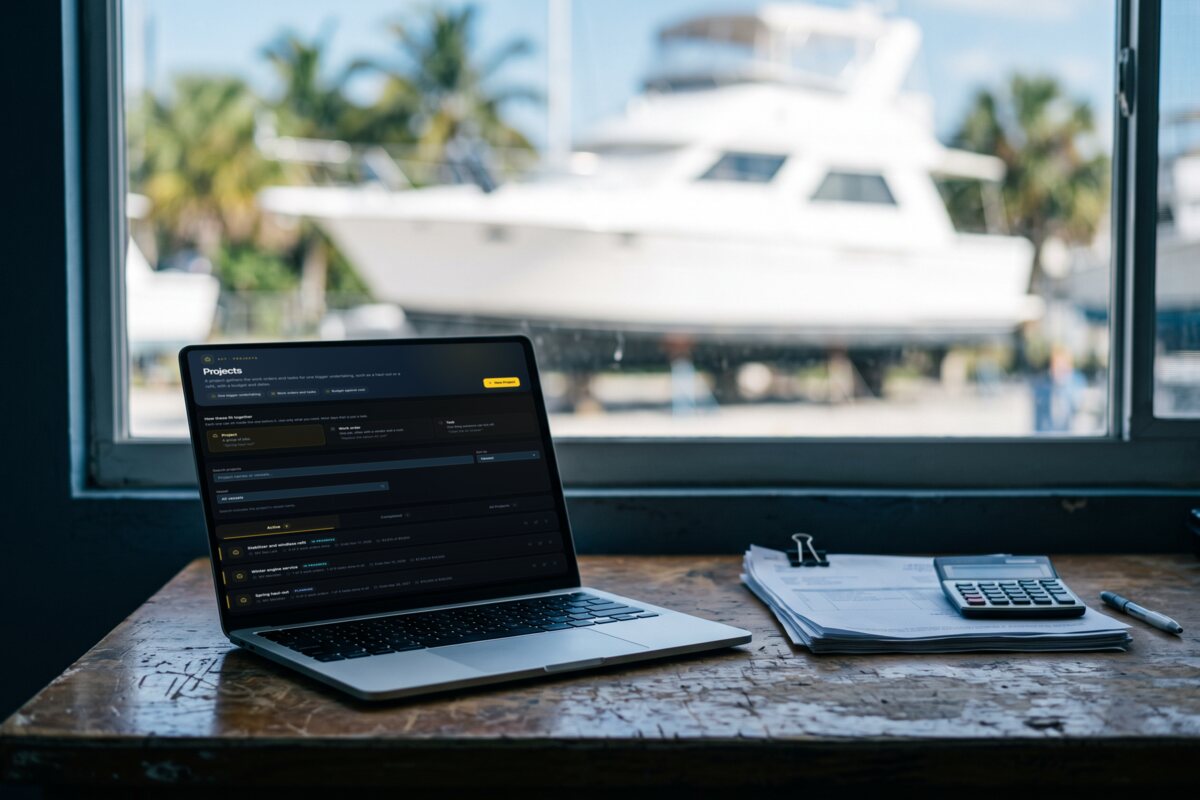
Now the owner can separate recurring service costs from one-off work, and last year’s total stops being mistaken for next year’s baseline. The haul-out’s actual costs become a reference for the next yard estimate. Harbor Guardian also groups haul-out work orders into a project with a budget and actual costs, so any change in scope shows up as it happens.
Reduce surprises before the next invoice
An annual total tells you what happened. A maintenance schedule tells you what’s coming. Harbor Guardian builds schedules from the manufacturers’ manuals, with intervals by calendar, by hours or whichever comes first. Work that’s coming due can become a task or work order while there’s still time to book the service.
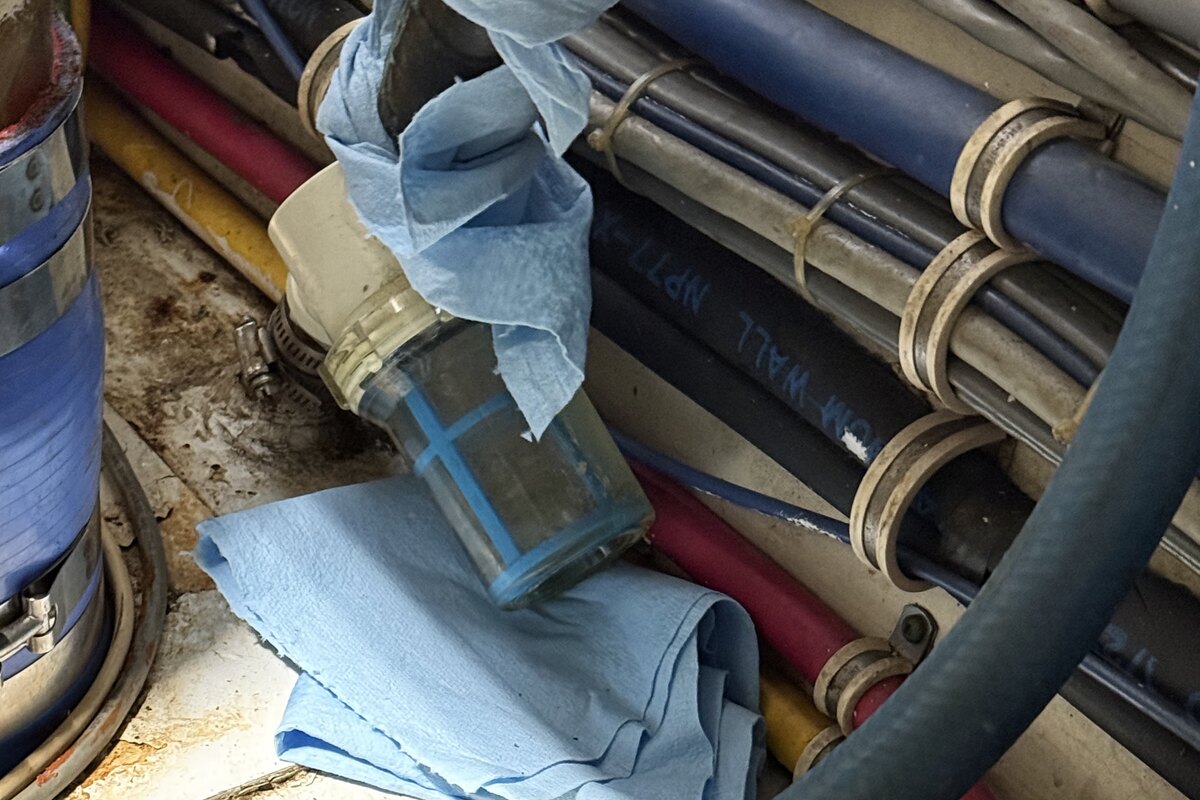
Say the owner spots a weeping raw water strainer on a routine walkthrough and records it as a finding with photos. That finding stays linked to the repair work order, then to the logged repair and the proof it was done. Reviewing and verifying the work closes the loop, and the photo never gets lost in a group text.
Catching it early can limit saltwater damage to the equipment around it. Scheduled servicing cuts down on preventable failures, and a repair reserve leaves room for the unexpected. Build next year’s budget from the known work and the intervals coming up, then add that reserve on top.
Know what your boat really costs
Owners who budget well can see every service, repair and invoice in one place, along with what’s coming due next. Harbor Guardian gives you that picture.
Contact us and we’ll show you how Harbor Guardian would track maintenance costs and upcoming work on your boat or across your fleet.