
With two boats, group texts and a good memory can carry you. By the third, a repair goes missing between visits, or an owner asks what last month’s fee covered and nobody can say for sure.
If you want to start a yacht management company, build a service you can repeat before you build a client list. Owners are paying for reliable care and a clear account of what happened aboard.
Choose a clear service scope
Start with boats you know and a service area you can cover without losing half the day to driving. Then define what each agreement includes:
- Scheduled inspections and walkthroughs, with dated records.
- Maintenance planning and repair coordination.
- Vendor management, including scheduling the work and checking it afterward.
- Crew support, where the boat has crew, and whether you coordinate them or employ them.
- Owner updates and access to service records.
Write down how often you’ll visit and how quickly you’ll respond. Keep routine management separate from hands-on repairs and major project supervision. A small company can do a narrow service well and add more as staff and demand grow.
Price the workload
When you estimate each boat’s monthly labor, count the driving and the time you spend keeping the owner informed. Your price has to cover that labor and your share of overhead, with a profit on top. Overhead includes insurance and the systems you use to manage the boats.
A monthly retainer suits a defined inspection schedule and routine coordination. Quote haul-out supervision and larger repair projects separately, and agree up front how they’ll be billed. If you add a markup on vendor work or charge for coordination, tell the owner before the work starts.
Price the boat in front of you. A yacht with years of deferred maintenance will need far more attention than a similar boat with current records. Track your time from the first month, so you can see when work is drifting outside the agreement and quote the next boat more accurately.
Cover the legal and insurance basics
Check business registration and tax obligations where you operate, along with any licensing that applies to your services. Running boats or employing crew can bring requirements that shoreside management doesn’t.
Talk to a marine insurance broker about general liability for your operations and professional liability for management errors. Ask how boats in your care are covered and how subcontracted work is treated. If you hire crew, find out what employment coverage you need.
Have a marine attorney review your management agreement. It should set spending limits and emergency authority, and explain how approvals get recorded. It should also spell out billing terms and who is responsible for subcontracted work.
Your vendor network is part of the service
Start with a dependable mechanic and a marine electrician, then fill gaps for the systems your boats actually have. Ask each vendor how they handle urgent callouts and what goes into their service reports. Check that their insurance fits their work, and line up a backup for the trades you can’t do without.
Before any job starts, give the vendor a defined scope and an agreed approval limit. Ask them to send the parts replaced and, where relevant, the engine hours with the invoice. That record lets you confirm the job was done and plan the next service.
Build the operating system before your first client
Set one inspection standard for every boat, then add checks for each boat’s equipment and agreed services. Harbor Guardian puts every boat you manage in one workspace. Your team runs checklists on their phones and photographs each boat space by space, the same way every time, and each visit adds to the boat’s dated history.
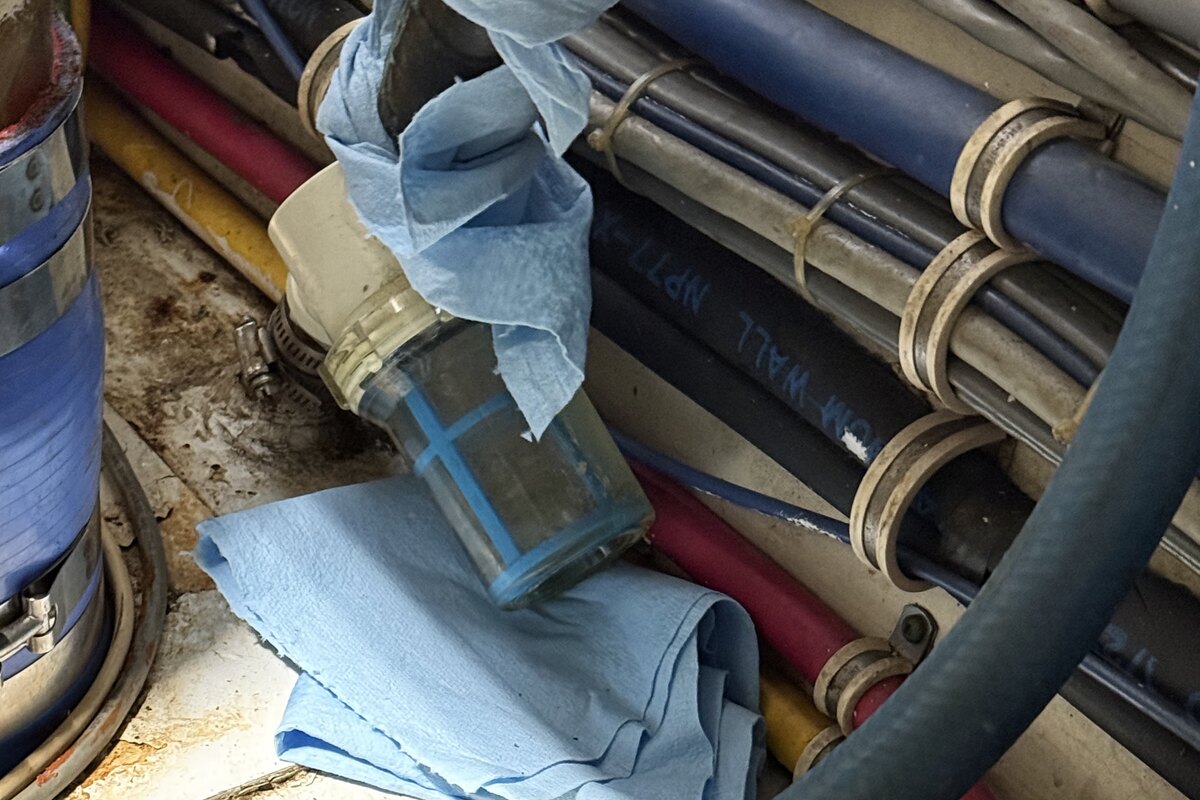
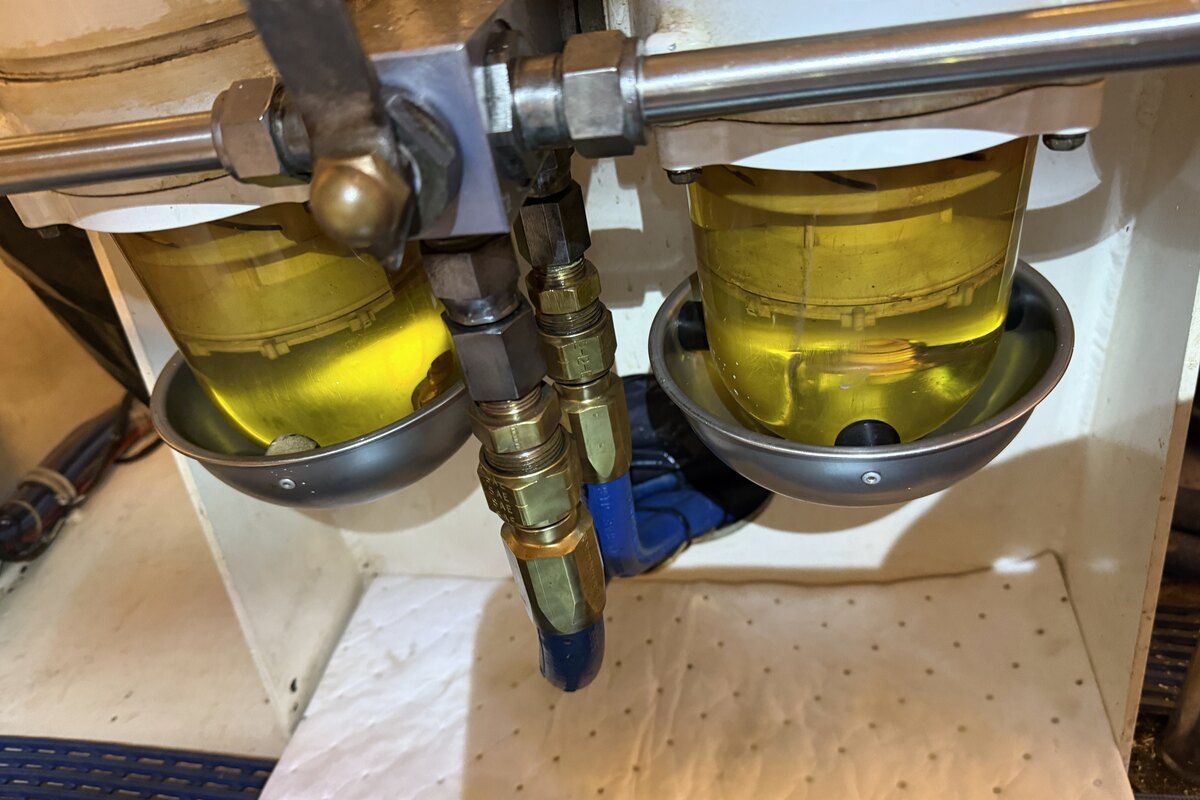
Picture a two-person company taking on its sixth boat. Monday’s walkthrough turns up a weeping raw water strainer, and a different captain is covering Thursday’s visit. In a group text, that photo gets buried under the next twenty messages.
In Harbor Guardian, the observation stays connected to the work it leads to. The manager confirms the finding, which keeps its location and photos, then creates a work order that spells out the repair for the assigned vendor. After the repair, the job moves through completed to verified, with proof attached and an entry in the service log. On Thursday, the captain can see exactly what’s still open.
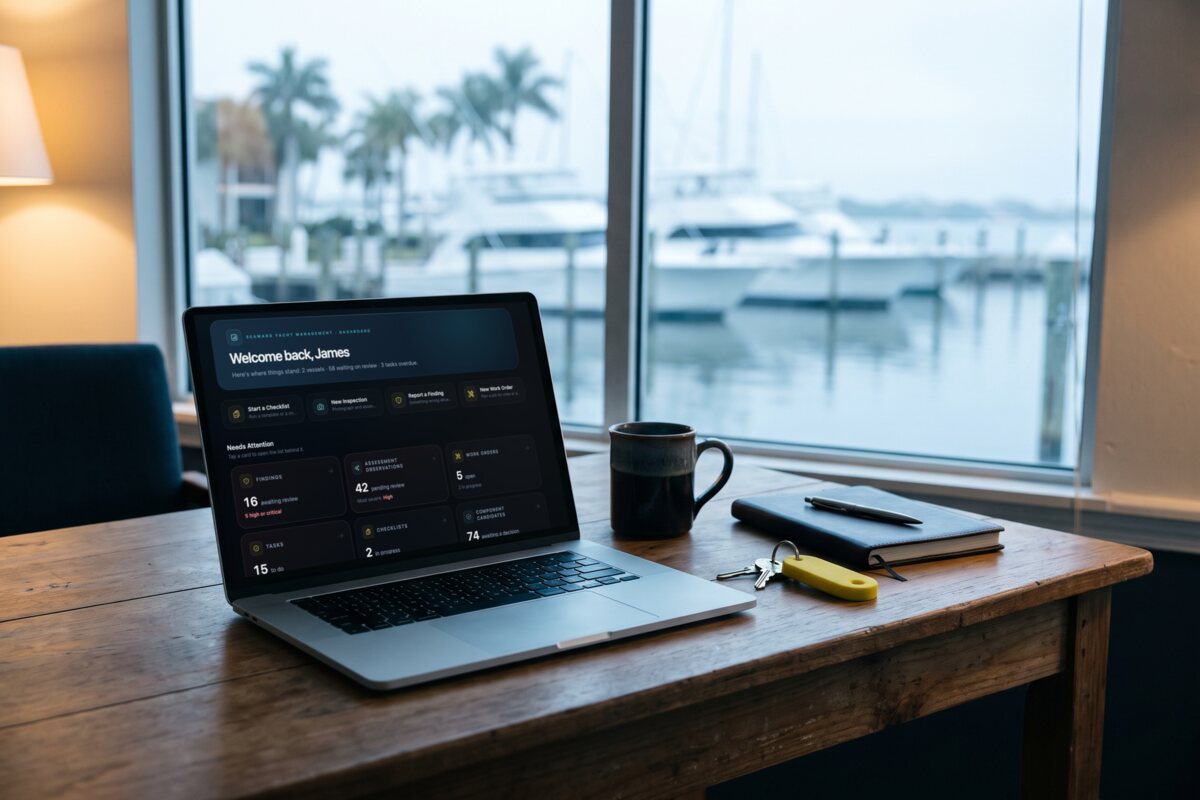
One dashboard shows findings waiting for review, maintenance coming due and open work across every boat. Owners get their own sign-in and see only their own boats, so they know what’s being done on their yacht without having to ask.
Onboard each yacht deliberately
Before you take responsibility for a boat, do a baseline inspection, collect its service records and note the current hour readings. Set maintenance due dates from the manufacturer’s guidance and the documented last service. Where the records have gaps, flag them instead of assuming the work was done.
Agree with the owner on how often they’ll hear from you and who can approve repairs. Then walk one sample finding through the whole process with your team, from the first photo to the verified repair. Fix any unclear handoffs before they touch a client’s boat.
Set up the system first
Growing past six boats is much easier when your standards are in place before the work outgrows anyone’s memory. Harbor Guardian gives a new management company that structure from the first boat, with every boat in one workspace and a record each owner can see.
Contact us and we’ll walk you through how Harbor Guardian would work for your company, from the first boat you manage to a growing fleet.