
Haul-out costs stay under control when the scope is set before the lift is booked, the estimate is split into priced buckets, a separate contingency covers what can only be found with the boat out of the water, and every addition is approved with its cost and launch-date effect before work starts.
The lift is a small part of the bill. A propeller repair found after blocking can add machine-shop lead time and extra storage days, even when the repair itself is simple. A good plan ties the scope to a budget and decides in advance what happens when something changes.
What should go into the haul-out scope before you book?
Start with open findings and any maintenance coming due before the next haul-out. Mark the work that needs the boat ashore, and keep optional improvements on a separate list. Check the manufacturer’s intervals against both dates and engine hours.
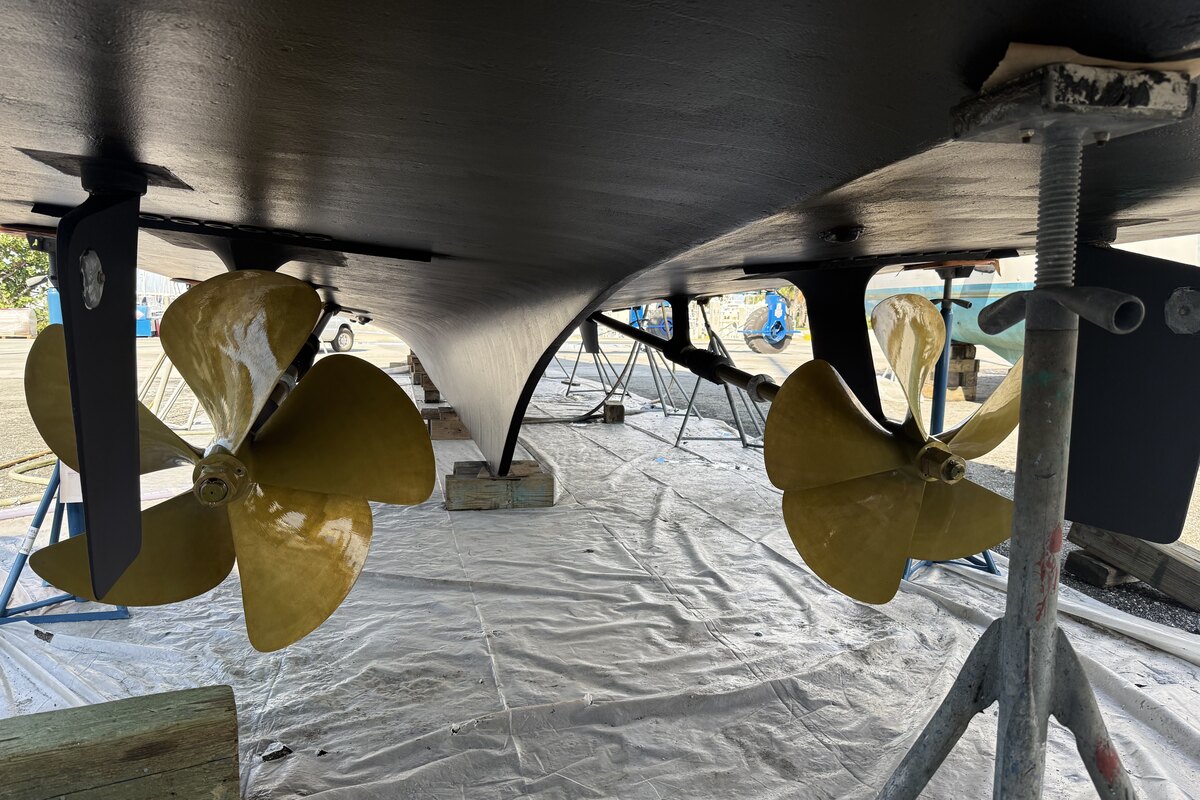
Suppose you or your captain logged vibration under load on the port side, with the rpm where it starts. The cause isn’t confirmed yet, so checking the port propeller and shaft goes into the yard scope before anyone books the lift.
In Harbor Guardian, that finding stays linked to its work order. The haul-out’s work orders sit together in one project with one budget, and actual costs are tracked against it.
What cost buckets should a haul-out estimate include?
Ask each yard to price the same scope, with inclusions and exclusions written out.
- Haul and block, including the return lift and any repositioning.
- Bottom work, from pressure washing through surface prep, with the coating system and number of coats named.
- Running gear, split between inspection and any separately approved propeller or shaft repair.
- Through-hulls and seacocks, split between inspection and replacement, with the labor for each.
- Zincs or other specified anodes, with quantities and fitting labor.
- Yard labor outside fixed-price jobs, with the hourly rate and estimated hours.
- Storage days ashore, including the rate for every day past the planned booking.
Ask about environmental or waste fees and the yard’s rules for outside vendors too. A lower estimate sometimes leaves the expensive work unpriced.
How should approvals and contingency work?
For each estimate, confirm who supplies the parts and which costs depend on what the yard finds once the boat is lifted. Agree in writing that work beyond the quoted scope needs your approval first. With only an hourly rate to go on, the final bill has no ceiling.
Harbor Guardian turns vendor estimates into suggested work orders for your review. Check each one against the agreed scope before it’s scheduled.
Keep the contingency apart from the base estimate, and size it around open findings and gaps in the service history. For the port running gear, ask the yard what the likely follow-up checks could involve. Spend the reserve only on what the inspection turns up, and only once it’s approved.
How do you schedule a haul-out around its dependencies?
Work backward from the launch date, leaving time for coating cure and pre-launch checks. Confirm parts and specialist bookings before the boat arrives. An open slot at the yard doesn’t help much if the propeller shop can’t take the job that week.
Put the running gear inspection early, so any shaft or propeller removal and outside-shop work can be decided quickly. Plan the bottom work around the other jobs, following the coating manufacturer’s technical data sheet for recoat times and the minimum cure before immersion.
Give one person the job of coordinating the yard and vendors, whether that’s you, your captain or your manager. Move each work order from scheduled to in progress as the job starts, and check progress daily against the launch date, including what each delay adds in storage.
How do you control additions while the boat is out?
When the yard finds something new, record it with photos and the proposed repair. Ask for the added cost and the effect on the launch date before approving it. The technician doing the work can tell you which repairs affect a safe launch and which can wait for the next haul-out.
Add approved work to the project as new work orders and compare it with what’s left in the budget and the contingency. Record each invoice against the job it belongs to. A group text is fine for arranging a visit. The approved scope belongs in the job record.
What should be verified before splash, and what after launch?
Check the underwater work while you can still reach it. Match the finished bottom against the coating spec, and make sure the anodes are the right ones and properly fitted. Have the technician who did the work sign off through-hull and running gear jobs, using the ABYC standard for seacocks and through-hull fittings (H-27) as the reference. Keep the photos and service paperwork with each work order.
Some checks have to wait until the boat is floating. Check every serviced through-hull for leaks after launch, and run a sea trial at the rpm where the vibration was logged. Leave those steps open until they’re done.
Harbor Guardian keeps the original finding and the repair photos linked as each work order moves from completed to verified, so the record shows why the work was done and how it was checked.
Quick answers
What makes up the cost of a boat haul-out? Haul and block, bottom work, running gear, through-hulls and seacocks, anodes, yard labor outside fixed-price jobs, and storage days ashore. Environmental fees and outside-vendor rules can add to it.
How big should a haul-out contingency be? Size it around what’s still unknown: open findings, gaps in the service history and anything the yard can only judge once the boat is out. Keep it separate from the base estimate and spend it only with approval.
How do you stop a haul-out from running over budget? Set the scope from real findings before booking, get every yard to price the same scope, approve each addition with its cost and launch-date effect, and track actual costs against the budget as invoices arrive.
Plan your next haul-out
A haul-out budget holds when the scope comes from real findings and every job is checked before the boat goes back in. Harbor Guardian keeps the scope, the budget and the proof in one project.
Contact us and we’ll show you how your next haul-out would run in Harbor Guardian, for one boat or across your fleet.