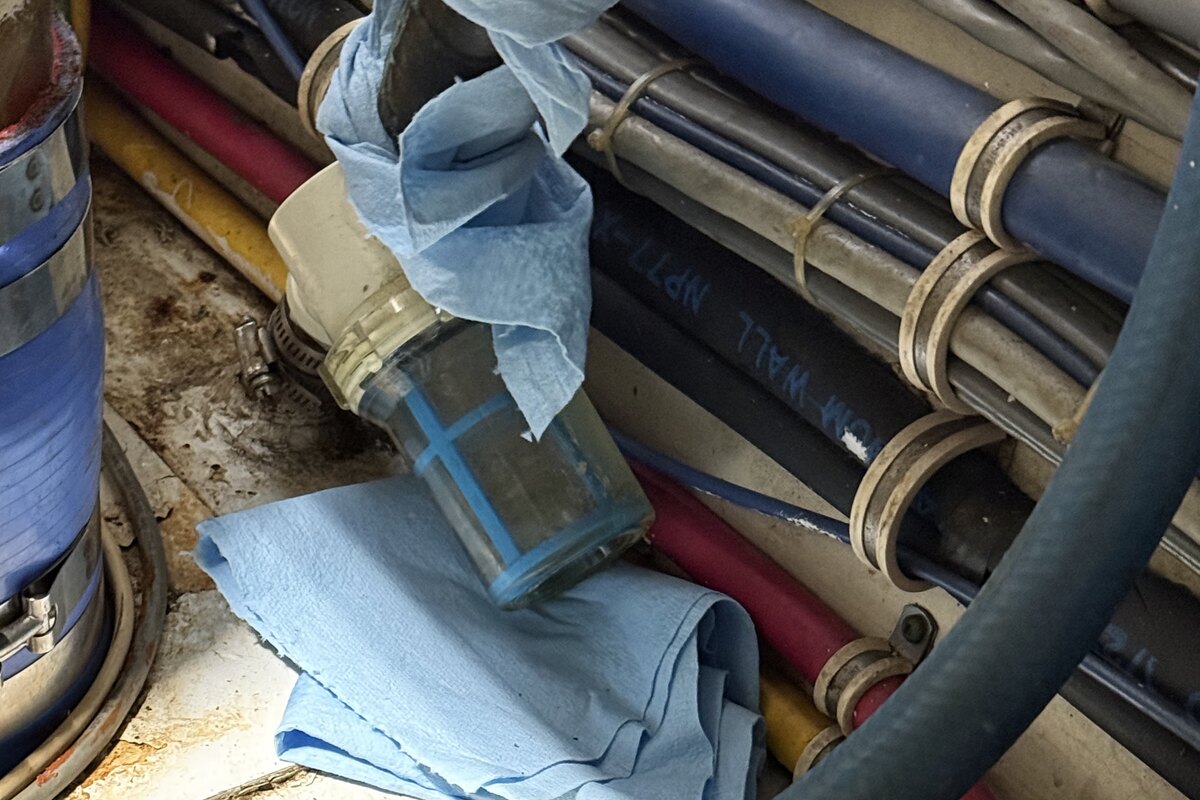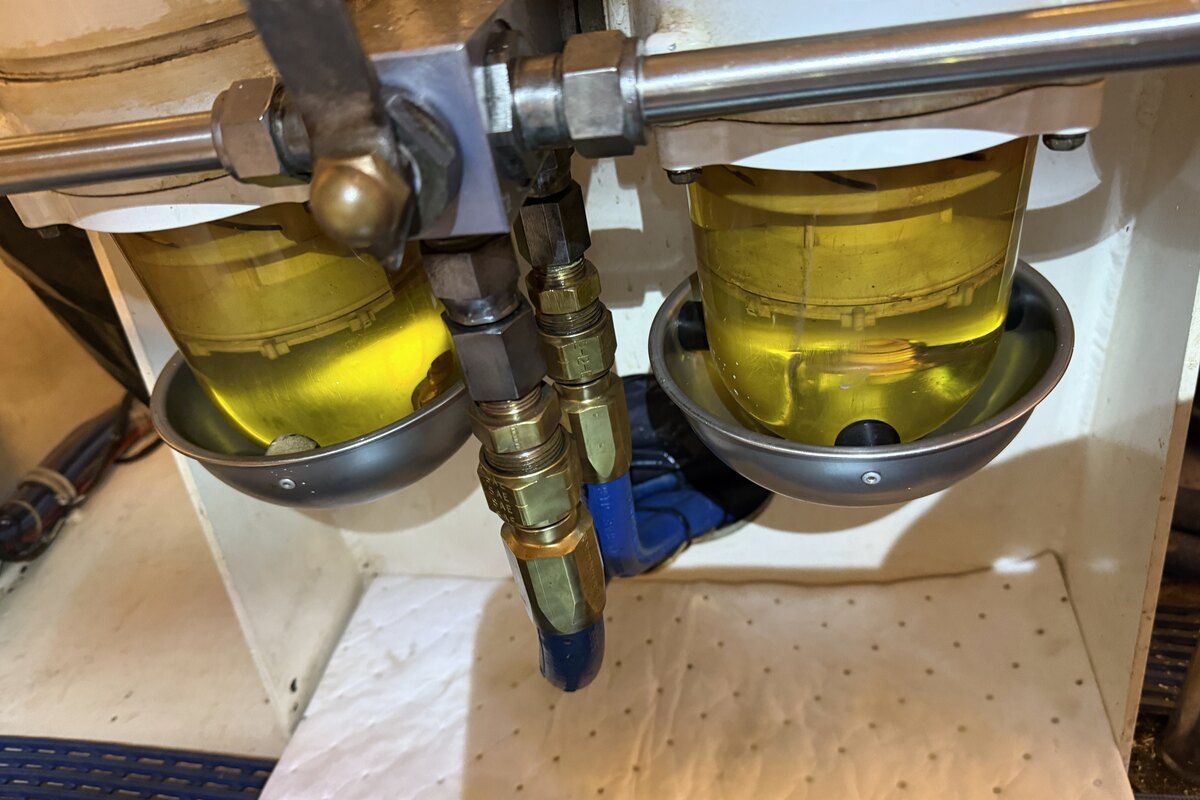

A raw water strainer can start weeping weeks after a thorough marine survey. If nobody checks in between, the first clear sign may be salt buildup or corrosion around equipment that was dry when the surveyor saw it.
A marine survey is a formal assessment of the boat at one point in time. Routine inspections track its condition between surveys, so owners and managers can act while problems are still small.
When you need a marine survey
A surveyor’s written report documents what they found within an agreed scope, and why you commissioned it matters:
- Before a purchase, a pre-purchase survey helps you judge condition and understand defects that could change the decision or the work budget.
- For insurance, an insurer may ask for an updated survey. Confirm the required scope and which surveyors they accept before you book.
- For condition and valuation, an owner may commission a current assessment to support planning or to establish value for a particular purpose.
The agreed scope sets how the surveyor examines the hull and onboard systems. It may include a haul-out or a sea trial, with specialist testing arranged separately where needed. Read the report’s limitations alongside its findings.
When you need a survey depends on its purpose or your insurer’s requirements. Routine inspections never replace a marine surveyor’s formal assessment.
What routine yacht inspections cover
A routine inspection is a walkthrough you repeat on a regular schedule to track the boat’s condition. Following the same route through the engine room and other spaces makes it easier to spot fresh salt residue or a hose that looks different, before the observation fades from memory.
Record what you checked, with dated photos and clear locations. Include the results of functional checks, such as a bilge pump test, so the record captures more than appearance. Base how often you inspect on how the boat is used and how long it sits unattended, and add a check after major work or heavy weather.
Harbor Guardian connects these inspections into a dated photo history. You photograph the boat space by space, and Harbor Guardian compares the new photos with earlier ones to show what changed. It flags signs of leaks and deterioration, including corrosion and wear, and puts each flagged item in a review queue where a person confirms it, dismisses it or routes it for action.
That review gives every observation a decision and a place in the vessel record. A photo sitting in someone’s camera roll gets neither.
A slow leak between surveys
Picture an owner whose next survey is a year after the last one. The survey noted no visible leak at a raw water strainer. Six weeks later, a routine walkthrough finds a narrow salt trail below its cover, and comparing it with the baseline inspection photo shows the staining is new.
The captain confirms moisture at the cover and arranges a prompt assessment. In Harbor Guardian, the reviewed observation becomes a finding linked to that strainer, then a work order for the repair.
A technician finds a deteriorating cover seal and replaces it. The repair details and the invoice stay with the job. A follow-up check, with the system running as it normally would, confirms the leak has stopped before the work is marked verified.
The record now links the first sign of trouble to the repair and its verification. The owner can see why the work was ordered and what was done, months before the next survey.
Turn the survey into a working vessel record
A purchase survey is a useful starting point for managing the boat. Its equipment details help establish what’s aboard, and its recommendations make a first work list to review.
In Harbor Guardian, you can upload the purchase survey during setup. Harbor Guardian uses it to propose the boat’s specifications and equipment, organized by location, for you to approve. Then review the survey’s recommendations and create follow-up work for each one you accept.
When survey findings live in a PDF and later work lives in group texts, someone has to piece the history back together every time an owner asks for an update. Harbor Guardian keeps later findings linked to the work they led to and the documents behind it. A manager taking over the boat can trace an issue without relying on the previous captain’s memory.
Close the gap between surveys
A survey tells you where the boat stood on one day. Harbor Guardian keeps track of what changes after it, with the photos, the findings and the work that followed.
Contact us and we’ll show you how inspections and follow-up work would stay connected on your boat or across your fleet.